Oven cleaning near High Barnet Market Place: a practical local guide for spotless results
If you have been staring at baked-on grease, cloudy glass, or that stubborn smell that seems to linger every time the oven heats up, you are not alone. Oven cleaning near High Barnet Market Place is one of those jobs people keep putting off until the door is basically a small chemistry experiment. To be fair, it is rarely a five-minute task.
This guide explains what professional oven cleaning involves, why it matters, how the process works, and what to look for if you are booking help near High Barnet Market Place. You will also find a simple checklist, a comparison of cleaning methods, and a few honest mistakes to avoid. The aim is straightforward: help you make a confident, sensible choice without the fluff.
- Why Oven cleaning near High Barnet Market Place Matters
- How Oven cleaning near High Barnet Market Place Works
- Key Benefits and Practical Advantages
- Who This Is For and When It Makes Sense
- Step-by-Step Guidance
- Expert Tips for Better Results
- Common Mistakes to Avoid
- Tools, Resources and Recommendations
- Law, Compliance, Standards, or Best Practice
- Options, Methods, or Comparison Table
- Case Study or Real-World Example
- Practical Checklist
- Conclusion
- Frequently Asked Questions
Why Oven cleaning near High Barnet Market Place Matters
A clean oven is not just about appearances. When grease, carbon, and food residue build up, the oven has to work harder to maintain heat evenly. That can affect cooking performance, create unpleasant smoke, and leave dishes tasting a little off. No one wants a Sunday roast that smells faintly of last month's chips.
In a busy local area like High Barnet Market Place, many households juggle work, family life, commuting, and the general mess of everyday cooking. It is easy for oven maintenance to slip down the list. Then one day you open the door and realise the glass is opaque, the trays are sticky, and the fan cover has turned dark. At that point, a proper clean becomes less of a luxury and more of a relief.
There is also a practical hygiene angle. Burnt-on residue can attract odours and, in some ovens, encourage smoke during high-temperature cooking. If you regularly roast, bake, or use grill functions, regular cleaning helps keep the appliance more pleasant and more usable. It also makes it easier to spot small faults early, like worn seals or damaged racks.
For homeowners, tenants, landlords, and busy families, oven cleaning near High Barnet Market Place matters because it saves time, reduces hassle, and keeps the heart of the kitchen in decent shape. Simple enough, really.
How Oven cleaning near High Barnet Market Place Works
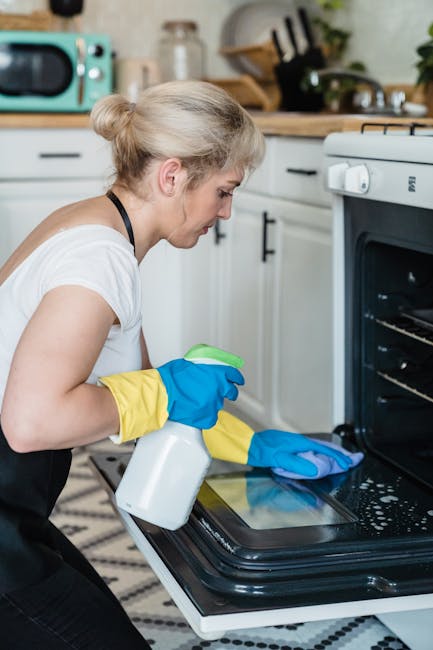
Professional oven cleaning usually follows a fairly careful, methodical process. The exact products and techniques vary, but the general approach is consistent: protect the surrounding area, dismantle removable parts, remove grease and carbon deposits, clean the cavity thoroughly, and finish with a careful reassembly and wipe-down.
A well-run service usually starts with an inspection. The cleaner checks the oven type, the amount of build-up, and any signs of wear or damage. That matters because a small single oven is very different from a range cooker, and an older appliance may need a lighter touch. In our experience, a quick look at the hinges, seals, and fan area can save headaches later.
Many cleaners use fume-free or low-odour solutions where possible, especially in homes where ventilation is limited. Racks, trays, and panels are often soaked separately so the main oven cavity can be tackled properly. The cleaner then removes softened grease and carbon deposits by hand rather than blasting everything with a single product and hoping for the best. That would be a bit optimistic.
Once the heavy lifting is done, the glass door, knobs, control area, and external surfaces are cleaned and polished. The best results come from patience, not force. If something is delicate, it should be treated delicately.
If you are comparing providers, it is sensible to look at pricing and quotes alongside what the service actually includes, because the cheapest option is not always the best value once you factor in time, quality, and safety.
Key Benefits and Practical Advantages
Most people think of oven cleaning as a cosmetic job, but the benefits go further than a shiny door.
- Better cooking performance: Heat can circulate more evenly when the oven is free from heavy residue.
- Less smoke and odour: Old grease is one of the main causes of unpleasant smells during cooking.
- Improved hygiene: Food splatter and carbon deposits are removed rather than left to sit and harden.
- Longer appliance life: Regular maintenance can help you avoid avoidable wear and tear.
- Less stress: There is a real mental lift in opening the oven and seeing a clean interior again.
There is also the simple convenience factor. A deep clean can take hours if you try to do it yourself, especially when the grill element, fan cover, and door glass need attention. A professional service brings the equipment, the process, and the experience. That makes a difference when you would rather be doing literally anything else.
Another advantage is that professional oven cleaners understand which parts can be removed safely and which should be left alone. That reduces the risk of broken clips, scratched surfaces, or aggressive scraping. A rushed DIY job can make the oven look half-clean and somehow more annoying than before.
For households already using broader domestic support, oven cleaning can sit neatly alongside deep cleaning or one-off cleaning when you want the whole kitchen refreshed in one go.
Who This Is For and When It Makes Sense
Oven cleaning near High Barnet Market Place makes sense for quite a few people, not just the obsessive neat freaks. Actually, especially not just them.
It is a good fit if you are:
- a busy household that cooks regularly and has no time for a marathon scrub;
- moving in or out of a property and want the kitchen to look properly cared for;
- a landlord or letting agent preparing a kitchen for inspection;
- a tenant wanting to leave the oven in a respectable state at the end of a tenancy;
- someone who has inherited an oven that is functional but grim;
- a family with children where practicality matters and cooking happens every day;
- anyone who notices smoke, smell, or uneven performance during normal use.
It also makes sense after renovations or a heavy cooking period. For example, after a stretch of holiday cooking, batch cooking, or a flurry of family visits, ovens can collect residue far faster than people expect. By the time the festive leftovers are gone, the appliance may be carrying the evidence of the whole season.
If you are running a full property refresh, some people pair oven cleaning with end of tenancy cleaning or even domestic cleaning so the whole home feels reset rather than just tidied around the edges.
Step-by-Step Guidance
If you are thinking about doing the job yourself first, or just want to understand what happens during a visit, this is the basic flow.
- Assess the oven type and condition. A cleaner checks whether it is a standard single oven, double oven, range, or combination unit.
- Protect the surrounding area. Floors, nearby cabinets, and worktops are typically shielded before any cleaning begins.
- Remove loose components. Shelves, trays, side racks, and sometimes panels are taken out if the model allows it.
- Soak removable parts. This helps lift grease without harsh scrubbing.
- Treat the oven cavity. Carbon and grease are loosened with suitable products and careful hand cleaning.
- Clean the glass and seals. These areas often show the biggest visual improvement.
- Detail the controls and exterior. Knobs, handles, and the door frame are wiped and finished neatly.
- Reassemble and test. The oven is put back together and checked so it is ready to use.
One small but important point: not every oven needs the same treatment. Self-cleaning models, delicate coatings, and older appliances all require a sensible approach. A competent cleaner should adjust the method rather than forcing a single process onto every oven. That would be, frankly, a bit careless.
If you want the service to fit into a broader home refresh, it can help to discuss related jobs such as house cleaning or home cleaners so the work is planned around your priorities and schedule.
Expert Tips for Better Results
Here are the small things that often separate a decent result from a genuinely good one.
- Do not wait until the oven is smoked-up beyond belief. Light, regular maintenance is easier than rescuing a neglected appliance.
- Check the door glass early. If grease has got between panes, it usually needs more than a quick wipe.
- Ask what happens to removable parts. Soaking and separate detailing can make a noticeable difference.
- Tell the cleaner about any faults. A loose seal or sticky hinge should be mentioned before work begins.
- Ventilate the kitchen afterwards. Even gentle products benefit from fresh air and a short cool-down period.
- Keep up with basic aftercare. Wipe spills once the oven is cool so the next clean is easier.
One practical tip that saves time: line up tray handles, shelves, and screws in the order they were removed. Sounds tiny, but it stops that awkward moment where a bracket looks familiar and you are suddenly unsure whether it belongs on the left, the right, or in the bin with regret.
Also, if you are booking other services around the same period, it is often easier to combine them with a local cleaning company that can keep the schedule tidy rather than juggling several separate appointments.
Common Mistakes to Avoid
Oven cleaning looks straightforward until you make one of the classic mistakes. Then it becomes a scrubbing session with fumes, scratches, and very little progress.
- Using overly abrasive tools: Scouring pads and sharp blades can damage glass, enamel, and seals.
- Mixing cleaning products: This is never a clever shortcut. Avoid it.
- Ignoring electrical components: Control areas and fans should be handled carefully, not drenched.
- Forgetting to check compatibility: Not every product suits every oven surface.
- Cleaning while the oven is still hot: That is unpleasant and can be unsafe.
- Leaving residue behind: A half-finished clean often smells the next time the oven is used.
Another mistake is assuming the dirtiest-looking part is the only problem. In reality, the fan cover, door seal, and hidden corners can hold a lot of build-up. You may not see them every day, but the oven certainly feels them every day.
It is also worth avoiding the temptation to "just spray more". More product is not always better. Better technique usually wins.
Tools, Resources and Recommendations
A professional cleaner will usually bring the main tools needed, but it helps to know what quality work tends to involve.
| Tool or approach | Why it matters | What to look for |
|---|---|---|
| Non-abrasive cleaning pads | Lift residue without scratching surfaces | Used carefully on enamel and glass |
| Soaking solution for racks | Softens burnt-on grime before hand cleaning | Separate treatment for removable parts |
| Detail brushes and cloths | Reach corners and narrow edges | Good for seals, hinges, and vents |
| Protective sheets | Keep floors and cabinets clean | Important in compact kitchens |
| Careful reassembly | Ensures the oven is ready to use safely | No forced fittings, no loose parts |
For homeowners who want a broader maintenance plan, it may also be useful to look at related services like cleaners, oven cleaning, and even oven cleaner options so you can compare what is actually included. The wording can sound similar, but the service depth may not be.
If your kitchen has other surfaces needing attention, it can make sense to bundle the visit with window cleaning or hard floor cleaning so the room feels properly finished rather than just partly improved.
Law, Compliance, Standards, or Best Practice
For domestic oven cleaning, there is usually no special legal hurdle for the customer, but there are still sensible best-practice expectations. A trustworthy provider should work carefully, avoid unnecessary risk, and use products and methods appropriate to the appliance and setting.
In the UK, basic safety duties matter. That means appropriate care around electricity, ventilation, chemical use, and surfaces that may be hot or fragile. A professional should not improvise around damaged wiring, cracked glass, or clearly faulty components. If a serious defect is noticed, it should be flagged rather than ignored.
It is also reasonable to expect clear pricing, transparent service descriptions, and straightforward terms. If you are booking a visit, take a minute to review terms and conditions and payment and security information so there are no awkward surprises later. Nobody enjoys hidden fees. Nobody.
From a business standpoint, customers often value proof of sensible practice more than grand promises. That can include public information about insurance and safety, a clear health and safety policy, and an understandable privacy policy for any personal details shared during booking. Trust is built in the ordinary stuff, not the flashy bits.
Options, Methods, or Comparison Table
If you are deciding how to tackle a dirty oven, the main options usually fall into three buckets: do it yourself, book a standard professional clean, or choose a more intensive reset when the oven has been neglected for a long time.
| Method | Best for | Pros | Trade-offs |
|---|---|---|---|
| DIY clean | Light residue and regular maintenance | Low cost, flexible timing | Time-consuming, easy to miss hidden grease |
| Professional oven cleaning | Moderate to heavy build-up | Detailed finish, less effort, safer handling | Costs more than doing it yourself |
| Deep kitchen refresh | Move-out cleans, post-renovation, or major grime | Broader impact, whole-room result | Takes more planning and may involve multiple services |
For many homes near High Barnet Market Place, the middle option is the sweet spot. It is thorough enough to make a real difference, but not so broad that you are turning a single appliance job into a full day of upheaval.
If the rest of the property needs attention too, pairing the oven with carpet cleaning or sofa cleaning can be useful, especially before guests, a sale, or a tenancy handover.
Case Study or Real-World Example
Here is a realistic local scenario. A family living a short walk from High Barnet Market Place had an oven that still worked well but looked, in their words, "a bit beyond hope." The glass door had dark splashes, the shelves were sticky, and every roast dinner came with a faint burnt smell.
They had tried the usual household spray-and-wipe routine a few times. It improved the surface a little, but the stubborn residue around the fan and the inner door edge barely moved. After a proper professional clean, the difference was obvious. The oven looked lighter, the glass was clear again, and the smell had gone. The family said the biggest surprise was not just the appearance but how much more pleasant it felt to use the oven on a weeknight.
That kind of outcome is common when the oven has been neglected for a while. Not magic. Just time, technique, and the right approach. And maybe a bit of patience, which is the unglamorous secret behind most good cleaning jobs.
For a similar situation, a homeowner might also choose one-off cleaning around the same time to take care of the rest of the kitchen and save a second round of disruption.
Practical Checklist
Use this simple checklist before you book or begin a clean.
- Identify the oven type and approximate condition.
- Check whether the appliance has any faults, cracks, or sticky controls.
- Decide whether you need just the oven or a wider kitchen refresh.
- Ask what is included: racks, trays, glass, door seals, exterior, and fan area.
- Confirm whether the cleaner uses low-odour or fume-free products where possible.
- Review pricing, expected duration, and any access requirements.
- Make sure the kitchen has enough space to work safely.
- Keep pets and small children away from the area during the visit.
- Ventilate the room afterwards.
- Wipe up spills sooner next time so build-up stays under control.
Quick expert summary: if your oven is only lightly marked, regular upkeep may be enough. If the grime is baked on, the glass is cloudy, or you are preparing for a move, a professional oven clean is usually the better value and the less stressful choice.
Get a free quote today and see how much you can save.
Conclusion
Oven cleaning near High Barnet Market Place is one of those practical services that quietly improves daily life. It makes the kitchen look better, smell better, and function better. More importantly, it removes a job that most people know they should do, but rarely have the time or energy to tackle properly.
If you are choosing between doing it yourself and bringing in help, the real question is not whether the oven can be cleaned. It is whether you want to spend your evening doing it, with all the mess and hassle that comes with it. In many homes, the answer is a very clear no.
Take a sensible, calm approach. Check what is included, compare your options, and choose a provider that treats the appliance carefully. A clean oven feels like a small win, but sometimes that is exactly what the week needs.
And honestly, opening the door and seeing everything gleaming again? That never gets old.
Frequently Asked Questions
How often should I book oven cleaning near High Barnet Market Place?
It depends on how often you cook and what kind of food you make, but many households benefit from a professional clean every so often rather than waiting until the oven is heavily soiled. If you roast, bake, or grill frequently, you may need it more regularly.
Is professional oven cleaning better than doing it myself?
For light maintenance, DIY can work fine. For heavy grease, cloudy glass, or a long-neglected oven, professional cleaning is usually more effective and much less time-consuming. It also reduces the risk of scratching or damaging delicate parts.
What parts of the oven are usually cleaned?
Most services cover the cavity, door glass, racks, trays, side panels, and exterior surfaces. Some also clean the fan area and seals where accessible. It is worth checking exactly what is included before booking.
Will oven cleaning remove burnt-on grease completely?
In many cases, yes, or very close to it. Extremely old staining or heat damage can be harder to remove fully. A good cleaner should explain what can realistically be improved and what may remain.
How long does a typical oven clean take?
That varies with the oven type and how dirty it is. A lightly used appliance may be quicker, while a heavily built-up oven can take much longer. The right answer is usually: long enough to do it properly, not rushed.
Can I use my oven straight after it has been cleaned?
Usually yes, once the cleaner has finished and the appliance has been reassembled. It is sensible to give the oven a little ventilation first if any cleaning odour remains.
Is it safe for older ovens?
Usually, but older ovens need a careful, experienced approach. Any worn seals, fragile parts, or existing faults should be noted before cleaning begins so the method can be adjusted.
What should I do before the cleaner arrives?
Clear access to the oven, remove nearby clutter, and mention any known issues with the appliance. If you are having other rooms cleaned too, make sure the schedule is clear. A little prep saves time later.
Do I need to be home during the appointment?
That depends on the provider and your own comfort level. Many people prefer to be present at the start and end, especially if the appliance is in a busy family kitchen. It is also useful if you want to point out any concerns.
How do I know if a cleaner is trustworthy?
Look for clear service information, sensible pricing, good communication, and useful trust pages such as about us, insurance and safety, and health and safety. Straight answers are usually a good sign.
Can oven cleaning be bundled with other services?
Yes, and that is often practical. People commonly combine it with deep cleaning, end of tenancy cleaning, or other domestic services when they want a fuller refresh of the home.
What is the best next step if I want a quote?
The simplest route is to ask for a clear estimate based on your oven type and condition, then compare it with what is included. If the kitchen is due a broader refresh, mention that as well so the quote reflects the full job rather than just the oven alone.